
Originally published: December 2025 | Reviewed by Dr. Michael Berglass
Sinus Lift Before Dental Implants: What Boynton Beach Patients Should Know
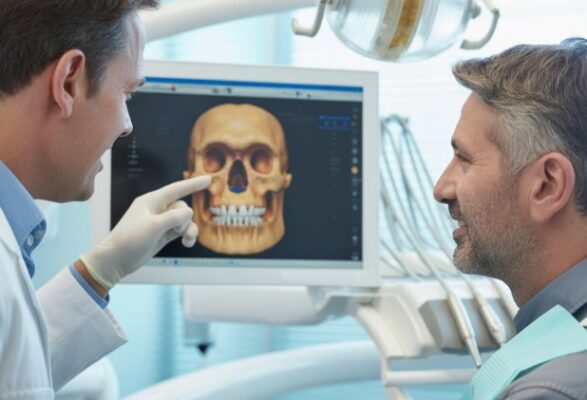
Getting dental implants in the upper back jaw isn’t as simple as in other parts of the mouth.
The maxillary sinuses sit right above the jawbone here, and a lot of folks just don’t have enough bone height for a secure implant.
This is where a sinus lift procedure comes into play, creating enough bone for a successful implant.
A sinus lift, sometimes called sinus augmentation, is a bone grafting procedure that adds bone between the jaw and maxillary sinuses. This gives enough height and thickness for dental implants in the upper back teeth.
Without adequate bone, implants can fail or even poke into the sinus cavity. The procedure has become a go-to for patients who’ve had bone loss from gum disease, missing teeth, or just natural changes in the sinuses over time.
Most people find the procedure straightforward. The results can finally allow you to restore missing teeth with stable, long-lasting implants.
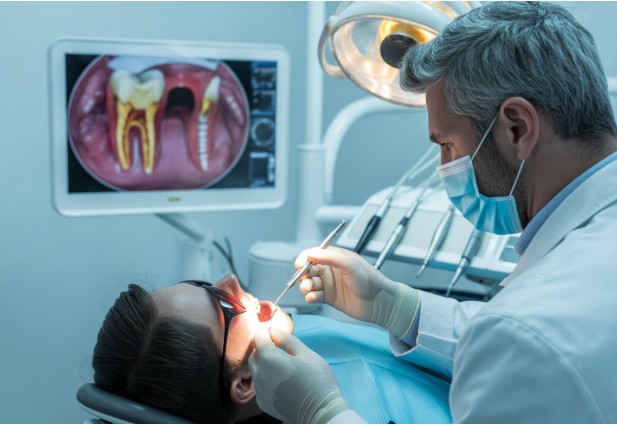
A sinus lift (sinus augmentation) is a bone graft procedure in the upper jaw. Your dentist gently lifts the sinus membrane and adds bone, creating sufficient height and density to safely support dental implants in the upper back teeth.
Some dentists refer to this as a sinus augmentation or sinus floor elevation. The main goal is to create more space between your jaw and the maxillary sinuses on either side of your nose.
The upper jawbone often lacks sufficient bone height to support dental implants. If teeth have been missing for a while, the bone can shrink away. Sinuses can also expand downward, leaving even less bone for implants.
Dental implants need a certain amount of bone for support. Without it, the implant can’t anchor and might even poke into the sinus cavity.
During a sinus lift, the oral surgeon makes a small incision in the gum and gently elevates the sinus membrane. They add bone graft material to fill the space underneath.
This new material encourages natural bone growth over a few months. The jawbone thickens and strengthens after healing, providing sufficient bone height for safe, long-lasting dental implants.
Boynton Implant and Cosmetic Dentistry can evaluate your sinus and bone with a quick 3D scan and implant options tailored to you. Schedule an appointment now.
If you’re ready to get started, call us now!
You may need a sinus lift if there isn’t enough bone height in your upper jaw, or your sinuses sit too close to the roots of missing upper back teeth. A 3D scan confirms this.
We often recommend a sinus lift for patients missing upper back teeth before implant placement. The upper molars and premolars sit right next to the maxillary sinuses, those air-filled spaces in your skull.
When these teeth are lost, the bone in that area starts to shrink. At the same time, the sinus cavity can creep downward into the space where the tooth roots used to be.
This leaves very little bone for a dental implant to attach to. Patients with insufficient bone between the maxillary sinuses and the jaw require additional support for successful implant placement.
Long-term tooth loss makes this worse. The longer you wait to replace missing upper teeth, the more bone you tend to lose. Gum disease can accelerate this, increasing the likelihood of a sinus lift.
Some people have sufficient natural bone for implant placement without additional procedures. If you replace a tooth soon after losing it, you’ll likely keep more bone height.
The missing tooth’s location matters. Front teeth in the upper jaw rarely need a sinus lift since they’re far from the sinus cavities, and the bone here is usually thicker.
Sinus lift alternatives, such as shorter or zygomatic implants, can sometimes avoid the need for grafting. Shorter implants are suitable if you have moderate bone height but not enough for standard implants.
Everyone’s anatomy is different. Dentists use 3D scans to measure your exact bone dimensions before making any recommendations.
These images show the distance between your jaw and the sinus floor.
Discover if you need a sinus lift before implants with a personalized upper-jaw evaluation at Boynton Implant and Cosmetic Dentistry. Contact us to plan treatment.
If you’re ready to get started, call us now!
The sinus lift procedure adds bone between the upper jaw and maxillary sinuses, creating space for dental implants. Patients get anesthesia to keep them comfortable during the oral surgery.
The dentist begins by making a small opening in the gum tissue to reach the upper jawbone. They gently lift the sinus membrane upward, creating space underneath.
They fill this new space with bone graft material. The graft might come from your own body, a donor, or synthetic sources.
This bone grafting process builds the support needed for implant placement. The dentist then closes everything up with stitches.
Healing takes several months, after which the bone is strong enough for implants. The bone graft fuses with your existing jawbone during this time.
What to expect during the appointment:
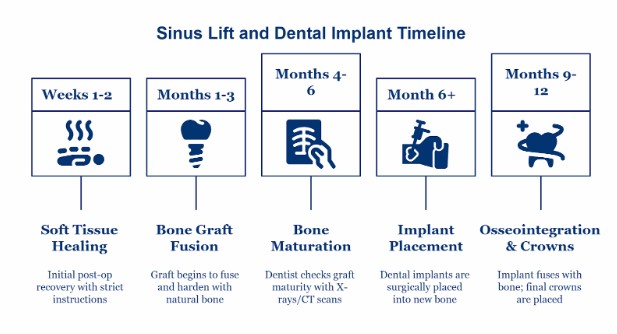
Sinus lifts usually need several months of healing before implants. Most Boynton Beach patients need 4–9 months for the graft to turn into solid bone, after which implants are placed and restored in stages.
The initial recovery phase lasts about one to two weeks. You’ll probably notice swelling and discomfort—pretty standard stuff. Swelling usually peaks around day 2 or 3.
Weeks 1-2: Soft tissue heals. You’ll need to follow strict post-op instructions, like not blowing your nose or using straws.
Months 1-3: The bone graft starts to fuse with your natural bone. It slowly hardens and forms a new structure.
Months 4-6: Bone matures. The dentist checks with X-rays or CT scans to make sure the graft has healed, and you’ve got enough bone height.
Month 6+: Dental implants can be placed. The posts go into the new bone. Rushing this step can risk implant failure, so patience is key.
Months 9-12: Osseointegration happens as the implant fuses with bone. Final crowns are placed after this process wraps up.
The entire process, from sinus lift to final tooth placement, typically takes 9-12 months for most Boynton Beach patients.
Most folks experience some swelling and bleeding after a sinus lift. Proper post-op care helps minimize discomfort and supports healing.
Swelling in the face and bleeding from the mouth or nose are pretty standard right after the procedure. Most people feel uncomfortable for a few days, but severe pain is rare.
Facial swelling usually peaks in the first 48 hours. Ice packs on the outside of your face on day one help significantly. Sleeping with your head propped up on extra pillows also helps reduce swelling.
Bleeding should slow within a day. If it lasts more than 2 days or if your pain and swelling worsen, call your dentist right away.
Recovery takes about 3-6 months before dental implants can go in. The bone graft needs time to fuse with your jawbone.
Don’t blow your nose, use straws, or do anything that puts pressure on the sinus area—these things can mess with healing and your overall oral function.
A sinus lift procedure usually adds $1,500 to $3,000 to the total cost of dental implant treatment. The final price depends on several factors unique to each patient’s situation.
The type of bone graft material you choose can significantly increase the total cost. Human bone grafts usually cost more than synthetic or animal-based options.
Still, synthetic materials often suffice for most people. It’s not always necessary to choose the pricier option unless your dentist insists.
The complexity of the procedure is also a significant factor. A lateral window sinus lift requires more surgical steps and incurs higher costs than a crestal approach through the implant site.
If you need bone augmentation on both sides of your upper jaw, expect the price to be about double compared to a single-side procedure. It’s a big jump, but that’s just how it goes.
Where you are in Boynton Beach also affects the price. Dental practices in Boynton Beach set their fees based on overhead and their own experience.
Some surgeons with advanced training ask for higher fees. They might just give you better results, though—at least, that’s the idea.
Unfortunately, insurance rarely covers sinus lifts. Most plans call them cosmetic and won’t pay.
Protect your sinus area and ensure long-lasting implant success with a tailored treatment plan from the team at Boynton Implant and Cosmetic Dentistry—schedule an appointment.
Do I really need a sinus lift before getting dental implants?
A sinus lift is only recommended when there isn’t enough bone height in your upper jaw to support implants safely. Your dentist confirms this with a 3D scan that measures bone thickness beneath the sinus. If there’s adequate bone, implants may be placed without sinus grafting.
How long does it take to recover from a sinus lift?
Recovery after a sinus lift usually takes about one to two weeks for initial healing and several months for the graft to mature. Most patients experience pressure, congestion, and mild soreness rather than sharp pain.
Is a sinus lift safe for older adults or people with medical conditions?
Sinus lift surgery can be appropriate for many older adults or patients with medical conditions when carefully planned. Your dentist reviews your medications, sinus health, bone quality, smoking status, diabetes, and blood thinners. In some cases, they coordinate with your physician and adjust anesthesia, timing, and aftercare to reduce risks.
Will I be able to breathe normally after a sinus lift?
Most patients breathe normally after a sinus lift, though temporary congestion, stuffiness, or a blocked-nose feeling is common. You’ll be asked not to blow your nose or sneeze with your mouth closed for a while. These precautions protect the sinus membrane and support proper graft healing.
Can sinus lift surgery and dental implants be done in one visit?
Sometimes a sinus lift and dental implant can be done in one visit, but only when there is enough remaining bone to stabilize the implant immediately. More often, the sinus lift is completed first, allowed to heal for several months, and then implants are placed into the newly strengthened bone.
Does insurance cover a sinus lift before implants?
Insurance coverage for sinus lift surgery varies widely. Some dental or medical plans cover implants when the procedure is considered medically necessary to restore function, while others classify it as elective. Your dental team can submit a pre-treatment estimate and discuss financing or payment options.

About Dr. Berglass
Dr. Michael Berglass, a dedicated dentist with over 25 years of experience, specializes in dental implants, cosmetic, and general dentistry in Boynton Beach, Florida. A proud alumnus of Stony Brook School of Dental Medicine (DDS, 1996), Dr. Berglass further honed his expertise with residencies in general practice and dental implants at North Shore-Long Island Jewish Hospital. His journey in dentistry has taken him from New York to North Carolina, and now to Florida, where he continues to offer top-notch dental care. Known for his wit and intellect, Dr. Berglass makes every patient's visit comfortable. A member of the American Dental Association and Florida Dentists' Association, he stays at the forefront of dental advancements. Dr. Berglass is committed to providing exceptional care and looks forward to welcoming you to his practice.
Reason To Smile

Phone
Address
2415 Quantum Blvd
Boynton Beach, FL 3342
Office Hours
Mon - Thurs: 8:30AM-5PM
Fri: 8:30AM-1PM
Sat - Sun: Closed


