
Originally published: September 2025 | Updated: July 2026
Reviewed by Dr. Michael Berglass
What to Expect During Dental Implant Surgery: Complete Boynton Beach Patient Guide

Losing a tooth can disrupt your smile and even make eating challenging. Dental implants serve as a permanent solution that looks and feels like your own teeth.
Still, many people worry about the actual surgery and whether it’ll hurt.
Dental implant surgery means putting a titanium post into your jawbone. This post acts as a new root for a crown.
The entire process typically takes about one to two hours per implant. Dentists use local anesthesia so you stay comfortable the whole time.
Most people simply feel a little sore and return to their daily life in a few days.
Knowing what’s coming can ease your mind. Dental implant procedures usually go well—especially with experienced dentists.
If you know the steps, recovery timeline, and aftercare, you’ll feel a lot more confident about your decision.
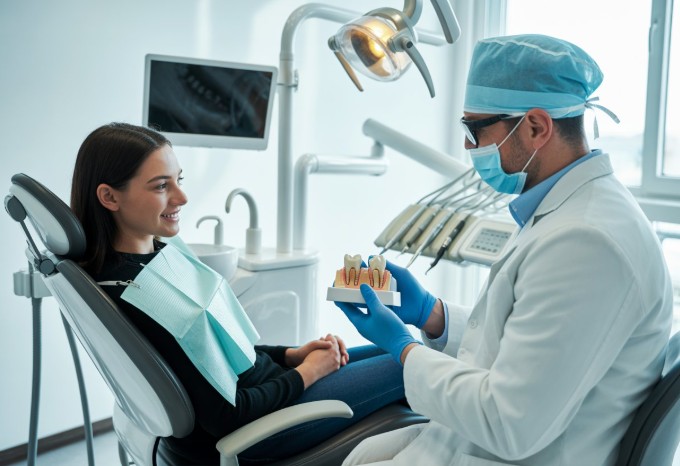
Getting ready for dental implants involves a detailed consultation, advanced imaging, adhering to pre-surgery guidelines, and adjusting your diet slightly. Taking these steps gives you the best shot at a smooth procedure and recovery.
Your first step is a thorough consultation. The dentist examines your oral health and reviews your medical history.
They’ll look at your mouth, gums, and any remaining teeth to figure out the best plan.
The dentist then builds a personalized treatment plan just for you. This spells out the number of implants you’ll need, the timing, and how long healing might take.
You’ll discuss your medical history, medications, and any existing health conditions. If you have conditions such as diabetes or heart disease, the dentist may need to coordinate with your doctor.
They’ll walk you through the whole process, from surgery day to your final crown. If there are risks or other treatment options, you’ll also be informed about them.
Advanced imaging provides a highly detailed view of your jawbone. These scans display bone density, nerve locations, and sinus locations, enabling the dentist to plan the implant with precision.
Cone beam CT scans give a 3D view of the jaw. Regular X-rays just can’t compare.
The dentist checks your bone density to determine if your jaw is strong enough to support an implant. If you have bone loss, you may require additional work before the implant.
Bone grafting can help rebuild bone if needed. A bone graft adds strength to weak jaw areas.
The imaging helps the dentist pick the right implant size, angle, and depth. This planning ensures a quick surgery and boosts your chances of success.
You’ll receive clear instructions on which medications to stop or continue taking. If you’re on blood thinners, you may need to pause them a few days before surgery—always under your doctor’s eye.
Antibiotics are sometimes prescribed to prevent infection. Usually, you start those the day before surgery.
Try to quit smoking at least two weeks ahead. Smoking really raises the odds of implant failure and slows healing.
Your dentist will review your current medications. Some supplements or over-the-counter stuff can mess with bleeding or healing, so be honest about what you’re taking.
Special mouth rinses help lower bacteria. You’ll probably use them for several days before surgery.
Stocking up on soft foods makes recovery easier. Grab yogurt, smoothies, soups, and mashed stuff ahead of time.
Foods to prepare:
Skip alcohol for at least 48 hours before surgery. It can mess with anesthesia and slow your recovery.
If you’re getting IV sedation, stop eating solid food 8-12 hours before. Clear liquids may be okay up to 2-4 hours before, but check with your dentist for confirmation.
Avoid hard, crunchy, or spicy foods for a few days after surgery. Planning meals now saves you a trip to the store when you’d rather be resting.
Make sure someone can drive you to and from your appointment. Anesthesia and pain meds make driving a big no-go for at least 24 hours after surgery.
It’s smart if your driver can stay around or at least remain nearby. Surgeries can run long, and you might need help sooner than you think.
Transportation checklist:
Public transit isn’t a good idea after dental implants. You could feel dizzy, sick, or groggy from the medication.
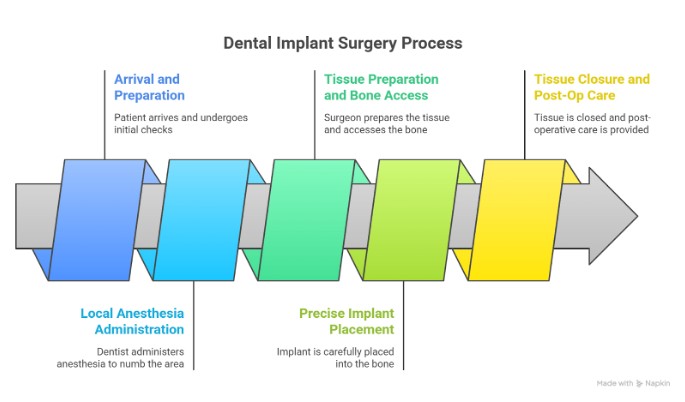
Dental implant surgery follows a standard process and typically takes 30 to 60 minutes for each implant. The dentist carefully prepares, places the titanium post, and ensures you’re set for aftercare.
Plan to show up about 30 minutes before your scheduled time. The dental team will review your medical history and ensure you follow all the pre-surgery instructions.
Pre-surgical checklist includes:
The initial assessment keeps things safe. Staff confirm your identity and the right implant site with X-rays and notes.
You might need to change into surgical gear. The team preps the room with sterile tools and everything they’ll need.
The dentist numbs the area by injecting a local anesthetic. Sometimes, you’ll get a few shots to make sure you feel nothing.
The anesthesia process usually goes like this:
The team will test the area to ensure you’re completely numb. You’ll stay awake but shouldn’t feel any pain at all.
If you’re nervous, some dental offices offer sedation options, such as laughing gas or a pill, to help you feel more comfortable during your visit.
The surgeon makes a small cut in your gums where the tooth is missing. This gives access to the jawbone underneath.
They gently move the gum aside to see the bone. Everything stays super clean, rinsed with sterile saline.
Bone prep steps:
The dentist uses bigger drills in steps, so the bone doesn’t get too hot. This careful approach helps you heal better.
Once the hole is ready, they clean out any leftover bits. The site needs to be clean and sterile before the implant is inserted.
The dentist puts the titanium post into the bone. Surgical guides help get the angle and depth just right.
They use a torque wrench to screw the implant in. This tool ensures stability from the start.
Key things they check:
The dentist might take an X-ray to double-check placement. If needed, they’ll tweak things before locking it in.
A healing cap or cover screw goes on top to protect the implant while you heal.
The dentist repositions the gum over the implant and stitches it in place. Keeping the site clean is crucial for the healing process.
Right after surgery, you can expect:
You’ll probably rest in the office for 15-30 minutes. The staff will monitor for bleeding or other issues.
Before you leave, they’ll check your blood pressure and pulse. You’ll get emergency contact info and clear instructions on when to call the office.
The healing process usually takes four to six months before you get your final crown. You’ll return for follow-ups to monitor healing and have the stitches removed.
Thinking about dental implants but nervous about surgery? Schedule a free consultation in Boynton Beach with Dr. Berglass today and get clear answers about your treatment, comfort, and recovery.
If you’re ready to get started, call us now!
There are a few different ways to place dental implants, and the right approach depends on how many teeth you’re missing, the condition of your bone, and what you’re hoping to achieve.
Dental implant procedures begin with a thorough consultation, followed by planning and placement. The details change slightly depending on the technique.
Single-tooth implant surgery replaces just one missing tooth with an implant and a custom-made crown. It’s a good choice when the teeth next to the gap are healthy and don’t need any work.
The dentist will remove any remaining tooth fragments and prepare the socket. They’ll place a small titanium post into the jaw, which will eventually fuse with the bone.
Surgery Steps:
The healing period usually takes 3-6 months. During this time, the bone grows around the implant, a process known as osseointegration.
Sometimes, you’ll receive a temporary crown right away, but at other times, you’ll wait until the area has healed a bit. Once the implant is fully integrated, the dentist attaches the final crown.
Multiple implant surgery is for people missing several teeth in one or more spots. This approach often saves time compared to placing individual implants at different appointments.
The dentist may place anywhere from 2 to 6 implants in a single session. Each one needs careful positioning to support whatever restoration you’re getting—crowns, bridges, or something else.
Treatment Options:
Recovery involves caring for multiple surgical sites simultaneously. Patients get specific cleaning instructions for each area.
Depending on the number of implants required, the procedure typically takes 2-4 hours. If there isn’t enough bone, the dentist may recommend bone grafting as the first step.
Final restorations go in after healing. Multiple implants often provide better chewing power than bridges or dentures, which is a significant advantage for most people.
All-on-4 dental implants replace a whole arch of teeth with just four implants. This technique often eliminates the need for bone grafting by maximizing the use of the existing bone.
The dentist places two implants vertically in the front and angles two more toward the back. This approach maximizes bone contact and support.
Key Benefits:
The whole procedure for one arch usually takes 3-5 hours. Patients receive temporary teeth immediately after surgery, allowing them to eat soft foods almost immediately.
All-on-4 works particularly well for individuals with significant bone loss who wish to avoid extensive grafting. The final prosthetic teeth go in after 3-6 months of healing.
This approach gives a stable alternative to dentures. Plus, the implants help prevent the bone loss that removable dentures usually cause.
Immediate implant placement means the dentist puts in the implant at the same appointment as the extraction. This method reduces the total treatment time and the number of surgeries required.
The dentist removes the damaged tooth and places the implant right into the fresh socket. Not every extraction site is a good candidate for this, though.
Requirements for Success:
The socket needs to be slightly larger than the implant. The dentist fills any gaps with bone graft material to help the area heal properly.
Immediate placement doesn’t always mean you’ll get a crown right away. Sometimes, the implant requires a few months to integrate before the final restoration is placed.
This technique is most effective for single-rooted front teeth. Molars with multiple roots usually need a more staged approach.
In two-stage surgery, the dentist places the implant below the gum line and covers it completely during the healing process. They adjust the gum tissue to cover the implant at first.
After 3-6 months, there’s a second minor surgery to expose the implant. The dentist adds a healing cap, then later attaches the final crown or bridge.
Two-Stage Benefits:
One-stage surgery involves placing the implant with a healing cap that protrudes above the gums. This skips the need for a second surgery.
The visible healing cap helps the gums form the right shape around the implant. Placing the final restoration is simpler since there’s no extra surgery.
One-Stage Advantages:
The best choice depends on where the implant is placed, the thickness of the gums, and the patient’s preferences. Both methods yield similar long-term results when executed effectively.
Surgery time varies based on the number of implants required and the complexity of the case.
Most single-implant procedures wrap up in under an hour, but full-mouth reconstructions can take several hours.
Getting a single dental implant usually takes 45 to 60 minutes from start to finish. That includes numbing, making an incision, and placing the implant into your jawbone.
The dentist starts by numbing the area with local anesthesia. Once you’re comfortable, they make a small incision in the gum to reach the bone underneath.
Then, they drill a hole in the jawbone with special tools. The implant goes right into that prepared spot.
Steps in single implant surgery:
The dentist finishes by placing sutures to close things up. Most people are out the door within 90 minutes.
For multiple implants, the procedure usually takes 2 to 3 hours. The total time depends on the number of implants you’re getting and their location.
Each extra implant adds about 30 to 45 minutes. The dentist must prepare each site separately and maintain a sterile and precise environment.
Time breakdown for multiple implants:
When you get several implants, you’ll probably need longer healing times between placements. Some dentists break up appointments to help with comfort and achieve better results.
Placing implants in different areas of the mouth adds complexity. Front teeth need extra precision for appearance, while back teeth focus more on function.
The All-On-4 procedure is usually the longest, taking 3 to 4 hours. This method replaces a full arch with just four implants.
The extra time allows the dentist to place the back implants at 30- to 45-degree angles for better bone contact.
All-On-4 procedure timeline:
Often, you’ll get extractions, implants, and temporary teeth all in one visit. This immediate loading approach really speeds up the process.
The surgeon needs to get the spacing and angles just right. Computer-guided surgery can help make things faster and more accurate.
Several factors can affect the speed of your surgery, resulting in either a faster or slower procedure than average. Bone quality is the biggest factor.
Primary factors affecting surgery time:
| Factor | Impact on Time |
| Bone density | Dense bone: +15-30 minutes |
| Extraction needs | Per extraction: +15-20 minutes |
| Sinus lift required | Additional 30-60 minutes |
| Guided surgery | Reduces time by 10-20% |
If your bone is soft, stabilizing the implant might take longer. With dense bone, drilling can be slower, but the implant sits tighter from the start.
Extractions during the same appointment add time, as the dentist must remove each tooth carefully to preserve the bone integrity. That’s pretty important for the new implant.
Medical issues like diabetes or a history of smoking may mean the dentist tweaks their approach. These changes can prolong the surgery, but they aid in faster healing later.
Proper planning is crucial for a smooth implant procedure. Book your free consultation now at Boynton Implant and Cosmetic Dentistry and discover if you’re ready for dental implants.
If you’re ready to get started, call us now!
Modern dental implant surgery uses several pain control methods to keep patients comfortable the whole way through.
Advanced anesthesia and sedation options help ensure minimal discomfort during both surgery and the recovery period.
Local anesthesia blocks pain signals during dental implant placement. The dentist injects lidocaine or articaine into the gum tissue around the surgical site.
Most people just feel some pressure during the procedure. The numbing effect typically lasts 2-4 hours after surgery.
Common anesthetic medications include:
The shot itself stings for about 10 seconds. After that, you won’t feel pain during drilling or implant placement.
Sometimes, folks need extra injections if the area isn’t fully numb. Dentists always test the spot before beginning to make sure you’re comfortable.
Multiple sedation levels help patients relax during implant surgery. The choice depends on your anxiety and how tricky the procedure looks.
Sedation types include:
| Sedation Level | Method | Duration | Recovery Time |
| Minimal | Nitrous oxide gas | During procedure | 5-10 minutes |
| Moderate | Oral pills | 4-6 hours | 2-4 hours |
| Deep | IV medication | Procedure length | 1-2 hours |
Nitrous oxide allows you to stay awake and responsive, yet calmer. The gas wears off pretty quickly after removing the mask.
Oral sedation involves taking pills before your appointment. You’ll feel drowsy but can still follow instructions during the procedure.
Intravenous sedation provides the greatest comfort for anxious patients. The medication is administered directly into your bloodstream through a small needle in your arm.
You’ll enter a twilight state—conscious but extremely relaxed. Most people barely remember the procedure afterward, which isn’t a bad thing if you’re anxious.
IV sedation benefits:
An anesthesia provider keeps a close eye on your vital signs the whole time. They check oxygen, heart rate, and blood pressure every few minutes.
You’ll definitely need a ride home after IV sedation. That groggy feeling can linger for 1-2 hours after surgery.
Pain usually peaks 24-48 hours after placing the implant. Most people say it feels a lot like having a tooth pulled.
Effective pain medications include:
Take pain meds before the numbness fades. It’s way easier to prevent pain than chase it once it starts.
Ice packs help reduce swelling and numb the area. Stick to 15 minutes on, 15 minutes off, especially that first day.
Most people return to normal within 2-3 days. Pain usually subsides significantly after the third day.
Experienced surgeons use gentle techniques to minimize tissue trauma during implant placement. Precision reduces pain and helps you heal faster.
Gentle surgery techniques include:
Flapless surgery often means no stitches. That usually leads to less swelling and discomfort than traditional methods.
Computer guidance helps place implants exactly where planned. This accuracy reduces surgical time and tissue damage.
Advanced training lets dentists work efficiently and gently. Shorter procedures mean less anesthesia and a quicker recovery for you.
The first 24 to 48 hours after implant placement are crucial for optimal healing. You’ll likely experience some bleeding, swelling, and discomfort during this period.
Right after dental implant surgery, you’ll see a few normal symptoms. Mild bleeding from the surgical site is common for the first few hours.
Some oozing of blood mixed with saliva may persist for the day. That’s normal and should slow down gradually.
Swelling usually starts 2-4 hours after surgery. It tends to peak around 48-72 hours before it finally eases up.
You may notice some bruising around the surgical area. Sometimes it spreads to your cheek or neck, depending on the location of the implant.
Normal symptoms include:
During the initial recovery period, rest is your best friend. Skip strenuous activities for now.
Bleeding control needs your attention right after surgery. Press gauze firmly against the implant area to control bleeding.
Keep the gauze in place for 30-45 minutes with steady pressure. If bleeding continues, replace it with a fresh pad.
For persistent bleeding:
Pain management starts right away. Go ahead and take over-the-counter pain meds as your dentist suggests.
Recommended pain relief:
Start your pain meds before the numbness fades. It’s much easier to stay ahead of pain than to catch up once it sets in.
Ice packs help control swelling on the first day. Place them on the outside of your face near the surgery site.
Stick with 20 minutes on, then 20 minutes off. Repeat this for the first 6 to 8 hours after surgery.
Proper ice application technique:
After 24 hours, ice doesn’t help much with swelling. Switch to warm compresses after the first day.
Keep your head elevated to help with swelling. Sleep with 2-3 pillows under your head for the first few nights.
Elevation helps with blood flow and keeps fluid from pooling at the surgical site.
Stick to soft foods for the first 24 to 48 hours after surgery. Hard or chewy foods just mess with healing.
Recommended foods:
Skip hot liquids on the first day. Heat can exacerbate bleeding and interfere with clotting.
Foods to avoid:
Chew on the opposite side of your mouth to protect the surgical site. It’s just safer for healing.
Drink plenty of water. Staying hydrated helps your body heal.
Some symptoms mean you should call the dentist right away. Don’t disturb the wound and keep an eye out for trouble.
Contact the office immediately for:
A fever of 101°F (38.3°C) or higher may signal an infection. The dental team needs to check that out quickly.
If numbness persists for longer than 4-6 hours, please notify the office. Some numbness is normal immediately after anesthesia, but it shouldn’t continue throughout the day.
Normal healing signs:
The dental office typically provides a 24-hour emergency contact number. Don’t hesitate to call if you’re worried about your recovery.
Dental implant recovery usually takes 4-6 months. The most important part is osseointegration, where the implant fuses with your jawbone.
The healing process happens in stages. Each stage needs its own care and attention.
The first 24 hours mark the beginning of the healing stages. Blood clots form at the surgical site to protect the area and initiate the healing process.
Days 1-3 bring the most swelling and bruising. The soft tissues feel quite tender, so take it easy and rest.
Key first week guidelines:
By day 7, most people can get back to light activities. The wounds begin to close, but full healing takes several more weeks.
Start using any prescribed oral rinse twice a day. Warm saltwater rinses—about 4-5 times daily—keep the area clean and help the healing process along.
The second week usually brings a noticeable boost in comfort. Swelling decreases, and you can reintroduce more solid foods into your meals.
Week 2 developments:
By week 3, gum tissue around the implant starts to mature. The surgical area looks less inflamed, and most folks feel more at ease with their routines.
Week 4 wraps up the acute healing phase. Soft tissue heals almost entirely around the implant. But let’s be real—the bone’s just getting started with its part of the job.
By the end of week four, most people go back to eating normally. The implant site feels stable, although bone integration continues for months.
Osseointegration is a crucial step in achieving dental implant success. During this stretch, the titanium implant bonds directly with your jawbone.
Month 2-3:
Month 4-6:
The osseointegration timeline typically ranges from 3 to 9 months. Bone quality, age, and overall health all play a role in determining how quickly things progress.
It’s important not to put too much pressure on the implant during this phase. The bone needs a chance to settle in and bond up without interruption.
Most people return to their usual activities within a week, but this really depends on how you heal and the complexity of your surgery.
Day 1-2: Rest up and take it easy.
Day 3-7: Stick with light activities.
Week 2: Head back to work and your regular routine.
Week 3-4: Ease into exercise and physical stuff.
Things to avoid at first:
Honestly, just listen to your body and don’t rush it. Everyone heals at their own pace, depending on health, age, and how closely you follow instructions.
If you experience unusual pain, excessive bleeding, or signs of infection, contact your dental office immediately.
Complete implant healing typically takes 6-8 months from surgery to the placement of the final crown. The implant continues to strengthen in your jaw for up to a year.
Long-term care requirements:
The final crown is placed once osseointegration is complete. That typically occurs 3-6 months after surgery, depending on your healing process.
Things that affect long-term success:
With good care, dental implants can last 25 years or more. The implant should be permanent, although the crown may need to be replaced eventually.
Don’t skip your follow-up appointments. They help identify any issues early and maintain the health of your implant.
From start to finish, we make implant surgery gentle, precise, and predictable. Schedule your complimentary implant consultation today and learn how Dr. Berglass can restore your smile safely.
If you’re ready to get started, call us now!
Dental implant surgery has a great track record—success rates over 95%. Still, knowing the risks and how we prevent them can help you feel more comfortable about the whole process.
Modern techniques and strict protocols do indeed reduce complications.
Pre-surgical preparation begins with a thorough medical history and, if necessary, the administration of antibiotics. We give you detailed instructions to reduce bacteria in your mouth before surgery.
Sterile surgical technique is a must. We sterilize every instrument to hospital standards. Before making any incision, we use antimicrobial rinses at the site.
Post-op care includes:
If you notice swelling that persists, pain that intensifies after day three, or any unusual discharge, please let us know. Quick action can prevent a minor infection from developing into a more serious one.
Primary stability issues arise when implants fail to bond securely with the jawbone. Careful case selection and checking bone density up front prevent most of these problems.
Common failure causes:
Prevention strategies start with detailed treatment planning and 3D imaging. We use bone grafts to strengthen weak spots before placing implants.
Your part matters too. Sticking to post-op instructions and keeping your mouth clean make a huge difference. Regular checkups let us catch any issues early.
Anatomical planning is key to avoiding the inferior alveolar nerve in your lower jaw. We use advanced imaging to map nerve paths before surgery.
3D planning enables us to precisely pinpoint implant positions and avoid nerve damage. This tech makes a big difference in safety.
Surgical techniques involve careful drilling and depth checks to ensure accuracy. Experienced surgeons pay close attention to the feel of the bone—if something seems off, we stop and adjust right away.
If any warning signs appear, we adjust our technique immediately. Most nerve injuries are temporary and clear up with proper care.
Upper jaw implants require us to examine your sinus anatomy first. A lack of bone between the sinus and the tooth socket can make things tricky.
Sinus lifts add bone under the sinus membrane if necessary, providing sufficient space for the implant.
To prevent perforation, we measure carefully and drill with control. Small perforations often heal on their own if they are appropriately managed.
After surgery, we provide you with special instructions regarding nose blowing and sinus pressure. These steps help protect the sinus while you heal.
Advanced technology, such as digital planning and surgical guides, helps us place implants with precision. This significantly reduces human error.
Comprehensive screening enables us to identify risk factors ahead of time. If you have a medical condition, we adjust your treatment plan and monitor your progress more closely.
Continued education keeps us up to date on the latest techniques and materials. We make it a point to stay current for your safety.
Emergency protocols ensure we’re prepared to handle any issues promptly. We also ensure that you can reach us 24/7 during recovery if you need assistance.
Good aftercare is crucial to achieving successful dental implant outcomes. If you follow the guidelines for hygiene, medication, diet, and activity, you give your implant the best shot at healing properly.
Don’t brush the surgical site for the first 24 hours after your implant. That helps protect the blood clots from forming around the area.
Starting on day two, gentle rinsing with warm salt water keeps things clean. Mix half a teaspoon of salt into eight ounces of warm water and rinse softly twice a day for a week.
Week 1-2 Guidelines:
After two weeks, you can gradually resume brushing around the implant. Use gentle circles—no aggressive scrubbing. The healing process really relies on careful hygiene during this phase.
When the abutment gets placed, cleaning around it daily becomes even more important. That helps prevent infection before the final crown goes on.
Start your pain meds before the anesthesia wears off—usually 3-6 hours after surgery. Getting ahead of the pain makes everything easier.
Common Medication Schedule:
Always take antibiotics with food to avoid stomach upset. Complete the entire course, even if you feel fine—it’s essential for healing.
Use ice packs for the first 48 hours to cut down swelling. Go 15 minutes on, 15 minutes off. After two days, switch to warm compresses to help blood flow and healing.
Skip aspirin unless your doctor says otherwise. It can increase bleeding and mess with clot formation around the implant.
Stick to liquids only for the first 24 hours. Cold drinks can help alleviate swelling and provide comfort.
Day 1 Approved Foods:
From days 2-7, soft foods that don’t need much chewing are fine. Chew on the opposite side of your implant if possible.
Week 1 Soft Foods:
After a week, start adding firmer foods. Don’t rush into hard, crunchy, or sticky stuff until your crown is on. The implant requires time to adjust to normal chewing.
Avoid spicy foods and alcohol for at least a week. They can irritate your surgical site and slow down the healing process.
You’ll need to limit physical activity for the first week. Too much movement or a high heart rate can mess with blood clots and lead to bleeding or swelling.
First 48 Hours:
For the first week or two, stick to light activities like walking. Skip contact sports, swimming, and gym workouts for now—those can spike your blood pressure and bump the healing area.
Keep heavy lifting off the table for at least two weeks. Lifting more than 20 pounds puts pressure on the area and can slow down recovery. If your job is physically demanding, you might need a little time off.
Important Activity Guidelines:
Once you have completed the dental implant aftercare period and everything looks good, you can return to your usual routine.
Your first follow-up appointment occurs within one week after surgery. Dr. Berglass checks the surgical site and removes any non-dissolvable stitches.
He’ll ensure that healing is on track and answer any questions you may have.
Typical Appointment Timeline:
At the three-month mark, Dr. Berglass checks for successful osseointegration. X-rays help him see how the bone is growing around your implant.
If everything’s healing well, he’ll schedule abutment placement. This step requires a minor additional procedure to connect the implant to the final restoration.
After abutment placement, healing usually takes 2-4 weeks. Then it’s time to take impressions for the dental crown.
The custom crown gets attached to the abutment, finishing your implant restoration. Usually, it takes about 2-3 weeks from impression to final placement.
Don’t skip your scheduled follow-up appointments. Missing them can slow down your treatment or mess with your final results.
Most people deal with mild pain and swelling after dental implant surgery—totally normal stuff. However, some warning signs indicate that you should seek help immediately to prevent more severe issues.
Normal symptoms include mild discomfort, swelling, and some bleeding for the first couple of days. A little bleeding around the healing abutment is common at first.
You might notice some bruising near the surgical area. Typically, this occurs within a day or two and gradually fades over the next several days.
Concerning symptoms that need quick attention:
Numbness, tingling, or pain in your face, lips, or tongue could mean nerve involvement. If that happens, you need immediate evaluation.
Infections typically appear 3-7 days after surgery. Watch for red, warm skin around the implant that feels tender to the touch.
A bad taste in your mouth or a foul odor from the area might mean bacteria have moved in. Yellow or green discharge? That’s pus—never a good sign.
Key infection warning signs:
If your implant feels loose or moves when you touch it, that’s a sign of trouble. Sharp pain when biting down can mean healing isn’t going as planned.
Call Dr. Berglass right away if you’re bleeding heavily—like soaking through gauze every 30 minutes for two hours. That’s not normal and needs urgent care.
Severe numbness or tingling in your face requires urgent assessment to prevent permanent nerve damage.
Call immediately for:
If anything feels really wrong or just worries you, it’s better to check in. Catching problems early makes a huge difference.
If the office is closed, you can handle minor stuff at home. Start gentle saltwater rinses after 24 hours to help with swelling.
Take your prescribed pain meds if you need them. Ice packs can be applied for 15 minutes at a time to help reduce swelling.
After-hours management:
If things worsen overnight, seek emergency dental care. Many hospitals have dental specialists on staff for urgent situations.
Take a few photos of your symptoms. It helps Dr. Berglass determine what’s happening during an emergency call.
Don’t let fear hold you back from a permanent solution. Contact us today to schedule your complimentary implant consultation and discover if dental implants are the right solution for you.
Dental implants have success rates of over 95% when they’re done correctly and proper care is taken. The combination of modern techniques, high-quality materials, and thorough aftercare yields results that can last for decades.
Dr. Berglass maintains one of the highest success rates in the field, comparable to those of top implant specialists. He and his team track patient outcomes over the years to ensure results remain consistent.
They use up-to-date diagnostic tools and surgical methods. Digital imaging and careful planning help avoid complications during surgery.
Key Success Metrics:
Dr. Berglass provides detailed follow-up care to support the healing process. He keeps a close eye on each implant, especially in that first year when integration is most important.
Your overall health plays a significant role in implant success. Non-smokers usually heal better and faster than smokers.
The amount and quality of bone at the implant site are big factors. If your jawbone is strong and dense, your implant has a solid foundation.
Primary Success Factors:
Timing matters, too. Doing the implant right after a tooth extraction can work, but only under certain conditions.
Age doesn’t really affect success rates for most healthy adults. If your bone structure is good, you can get implants at almost any age.
You need to keep up with oral hygiene if you want your implant to last. Daily brushing and flossing around the implant crown keeps bacteria away.
Get professional cleanings every six months. Hygienists use special tools for cleaning around implants.
Maintenance Schedule:
Try not to bite down on hard foods that could damage your crown. Chewing ice or using your teeth as tools can put stress on the implant.
Regular X-rays help monitor bone levels around the implant. If anything changes, catching it early makes treatment easier.
With over 25 years of surgical experience and specialized fellowship training, Dr. Berglass brings a lot to the table.
His focus on advanced techniques and patient safety has made him a trusted choice for dental implants in Boynton Beach.
Dr. Berglass has performed thousands of dental implant procedures over the years. His extensive experience covers everything from single-tooth replacements to complex, full-mouth reconstructions.
He has handled tough cases involving bone grafting and sinus lifts. That kind of experience lets him spot potential complications before they happen—pretty valuable, honestly.
Years of practice have taught him:
Patients often notice how efficiently he completes procedures. Decades of daily surgical work have given him steady hands and sharp precision.
Other dentists sometimes refer their most complex cases to Dr. Berglass. He frequently treats people who thought they weren’t candidates for implants at all.
Dr. Berglass completed a fellowship in oral and maxillofacial surgery. This advanced training zeroed in on implant placement and related procedures.
Fellowship programs only accept a handful of candidates each year. They look for surgeons with standout skills and real dedication.
His fellowship training covered:
This specialized education goes way beyond what dental school offers. He gained hands-on experience with some of the most challenging implant cases.
The fellowship also included training on the latest implant systems and materials. Dr. Berglass learned directly from some of the leading experts in the field.
Dr. Berglass utilizes modern surgical methods that expedite healing and enhance outcomes. He relies on computer-guided implant placement for extra precision.
3D imaging technology enables him to plan each surgery. This extra planning reduces surgery time and enhances accuracy.
He uses minimally invasive techniques whenever possible. These methods result in smaller incisions and less tissue disruption.
| Technique | Benefit |
| Computer-guided placement | Increased accuracy |
| Minimally invasive methods | Faster healing |
| Immediate loading protocols | Reduced treatment time |
| Bone preservation techniques | Better long-term results |
Dr. Berglass stays current with the latest developments in implant surgery. He attends continuing education courses and conferences regularly.
He focuses on preserving as much bone and soft tissue as possible. This approach facilitates healing and yields results that appear more natural.
Dr. Berglass works in a modern surgical facility with advanced technology. The office meets strict standards for safety and sterilization.
Digital imaging equipment gives detailed views of bone structure. This tech helps him plan implant placement down to the millimeter.
The surgical suite includes:
Staff sterilize all instruments using hospital-grade autoclaves. They open single-use items in front of each patient, just to be safe.
The facility goes through regular inspections and upgrades. Dr. Berglass invests in new technology to keep improving patient outcomes.
Air filtration systems help maintain a clean surgical environment. Temperature and humidity controls help create the best conditions for healing.
Dr. Berglass prioritizes patient comfort throughout every aspect of the surgery. He offers several sedation options to help ease anxiety and discomfort.
Preoperative consultations offer patients the opportunity to ask questions and become familiar with the process. He walks through each step and talks honestly about what to expect.
He takes patient safety seriously. Here’s what he focuses on:
He has emergency protocols ready in case anything unexpected happens. Every staff member is trained in CPR and knows how to respond quickly in emergencies.
Dr. Berglass personally checks on every patient during surgery. He adjusts his techniques to suit each person’s needs in the moment.
After surgery, he provides thorough instructions and schedules follow-up visits. Patients can call him directly if something urgent comes up—no middleman.
At Boynton Implant and Cosmetic Dentistry, we understand that reading about surgery is one thing—but hearing from real patients who have undergone the process brings peace of mind.
Here’s what our patients share about their experiences with Dr. Michael Berglass and his team:
These reviews highlight the values we bring to every procedure: gentle surgical techniques, honest guidance, advanced technology, and a patient-first approach that makes the process easier than expected.
Ready to take the next step? Contact Boynton Implant and Cosmetic Dentistry today and schedule your free consultation with Dr. Berglass. Start your journey to a confident, lasting smile.
How painful is dental implant surgery?
Most patients feel little to no pain during surgery because local anesthesia numbs the area. Afterward, mild soreness is common, but it’s usually manageable with ibuprofen or acetaminophen.
How long does dental implant surgery take?
Placing a single implant usually takes 45–60 minutes. Multiple implants may take 2–3 hours, while a full arch (All-on-4) can last 3–4 hours, depending on complexity.
What can I eat after dental implant surgery?
Stick to soft foods, such as yogurt, scrambled eggs, soups, and smoothies, for the first 24–48 hours. Avoid hard, crunchy, or spicy foods until your dentist clears you to return to normal meals.
How long is the recovery from dental implant surgery?
Most patients return to work and normal activities within 3 to 7 days. Complete healing and bone integration take 3–6 months before the final crown or bridge is attached.
Are dental implants safe?
Yes. Dental implants are considered one of the safest and most successful procedures in modern dentistry, with a success rate of over 95% when performed by experienced surgeons.
What if I don’t have enough bone for an implant?
If your jawbone is too thin or weak, procedures such as bone grafting or sinus lifts can rebuild its strength, allowing for successful implant placement.
How long do dental implants last?
With proper oral hygiene and routine dental check-ups, implants can last 25 years or longer. The crown may need replacement after 10–15 years due to natural wear.
Can smokers get dental implants?
Yes, but smoking increases the risk of implant failure and slows healing. Patients are strongly advised to quit smoking at least two weeks before and after surgery.
Is dental implant surgery worth it?
For most patients, yes. Implants restore chewing ability, preserve bone, and look and feel like natural teeth—offering a long-term solution that often outperforms bridges or dentures.

About Dr. Berglass
Dr. Michael Berglass, a dedicated dentist with over 25 years of experience, specializes in dental implants, cosmetic, and general dentistry in Boynton Beach, Florida. A proud alumnus of Stony Brook School of Dental Medicine (DDS, 1996), Dr. Berglass further honed his expertise with residencies in general practice and dental implants at North Shore-Long Island Jewish Hospital. His journey in dentistry has taken him from New York to North Carolina, and now to Florida, where he continues to offer top-notch dental care. Known for his wit and intellect, Dr. Berglass makes every patient's visit comfortable. A member of the American Dental Association and Florida Dentists' Association, he stays at the forefront of dental advancements. Dr. Berglass is committed to providing exceptional care and looks forward to welcoming you to his practice.
Reason To Smile

Phone
Address
2415 Quantum Blvd
Boynton Beach, FL 3342
Office Hours
Mon - Thurs: 8:30AM-5PM
Fri: 8:30AM-1PM
Sat - Sun: Closed


