
Originally published: July 2024 | Updated: August 2026
Reviewed by Dr. Michael Berglass
When to Seek Emergency Dental Care: Essential Guidelines for Urgent Situations

A dental emergency is an injury or infection causing severe pain, bleeding, or risk of losing a tooth, and it requires prompt attention rather than a routine visit.
Dr. Michael Berglass, DDS, of Boynton Implant and Cosmetic Dentistry provides same-day evaluation and treatment for knocked-out teeth, fractures, infections, and uncontrolled bleeding.
Recognizing the signs early and acting within the first hour, especially for a knocked-out tooth, meaningfully improves the odds of saving it — same-day emergency care should never be delayed.
Sudden tooth pain or a knocked-out tooth can’t wait for a routine appointment — Dr. Berglass offers same-day emergency exams at the practice.
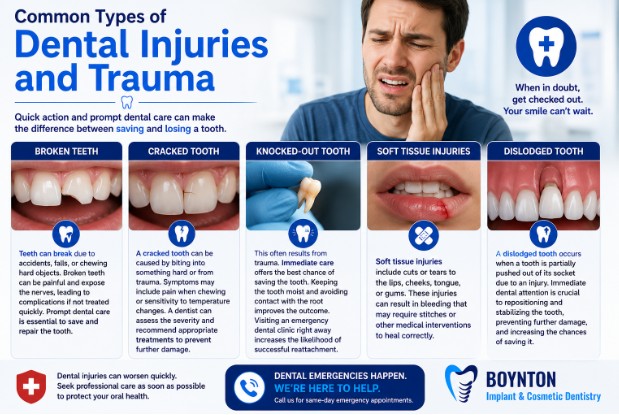
Knocked-out teeth, broken teeth, and toothaches that don’t respond to over-the-counter pain relief are among the most frequent reasons patients seek same-day dental care. Other urgent situations include dislodged fillings, abscesses, and broken braces.
Immediate action can prevent long-term damage and help save the tooth. A study in BMC Oral Health found dental emergencies account for 10% of all dental encounters among Medicaid enrollees.
Did You Know? Dental-related visits to emergency departments are surprisingly common. In 2018, there were approximately 2.1 million emergency department visits involving dental conditions in the United States, according to an Agency for Healthcare Research and Quality report.
If you’re ready to get started, call us now!
Immediate dental care is warranted for severe pain, uncontrolled bleeding, facial swelling, or any injury involving a knocked-out or badly damaged tooth. Waiting to see whether symptoms improve on their own risks spreading infection or making the tooth impossible to save.
Severe pain often signals an underlying issue. Infections, especially those resulting in abscesses, can cause intense pain and swelling.
An abscess is a pocket of pus due to a bacterial infection. Signs include throbbing pain, fever, and a bad taste in the mouth. Ignoring these symptoms may lead to more severe problems.
A fractured or broken tooth exposing the nerve can also cause significant pain. Seeking help from an emergency dentist is essential to address the pain and prevent further damage.
Toothaches that persist despite using over-the-counter pain medication may indicate serious problems such as decay or infection.
Persistent toothaches can affect daily activities and sleep. An emergency dentist can determine whether urgent care is needed.
Swelling in the gums, face, or neck should not be ignored. This swelling might be a sign of an infection or an abscess.
Keeping the affected area moist and contacting a dental professional as soon as possible is crucial.
Bleeding from the mouth that doesn’t stop after a short period may signal an emergency.
Injuries to the mouth or gum disease often cause this. If bleeding occurs after an accident or trauma, seeking medical help immediately is vital.
A knocked-out tooth can also lead to significant bleeding. Quick action can save the tooth. Rinsing the tooth without scrubbing, keeping it moist in milk or saliva, and seeking immediate dental care gives it the best chance of survival.
The first few minutes after a dental injury matter most — rinsing the mouth, controlling bleeding with gauze, and keeping any knocked-out tooth moist all improve the odds of a successful outcome. Prompt first aid buys time until professional treatment is available.
When dental trauma occurs, acting fast is vital. First, rinsing the mouth with warm water helps clean the area.
If bleeding, applying pressure to the site with a piece of gauze helps control it. Keeping the injured area clean helps prevent infection.
A cold compress on the face near the injury can reduce swelling and numb the area.
An emergency kit should include gauze, a cold pack, and antiseptic wipes. These items are crucial for immediate care before seeing a dentist.
A knocked-out tooth is a severe dental emergency. Handling the tooth carefully, touching only the crown and avoiding the roots, is vital.
For a knocked-out permanent tooth, the American Dental Association recommends gently rinsing it with water if dirty, without scrubbing, and attempting to place it back in its socket if possible.
If reinserting the tooth isn’t an option, keeping it moist by placing it in a container of milk or saliva preserves it. Seeking dental care immediately gives the best chance of saving the tooth.
Over-the-counter pain relievers like ibuprofen or acetaminophen can effectively manage dental pain temporarily.
Applying a numbing gel to the affected area can provide short-term relief. Salt and warm water can also soothe discomfort by reducing swelling and fighting bacteria.
Clove oil is another option. Applying a small amount to the painful area can provide numbing relief.
For continuous pain, avoiding hot or cold foods and drinks prevents aggravating the tooth. Keeping an emergency kit stocked with these items ensures preparedness for sudden dental pain.
Every minute counts after a knocked-out tooth or serious injury — Dr. Berglass provides urgent same-day treatment; schedule emergency care at the practice.
If you’re ready to get started, call us now!
Professional emergency dental treatment starts with pain control and diagnosis, then moves to definitive care such as extractions, root canals, or referral for medical attention when an infection has spread beyond the mouth.
Dr. Berglass evaluates each case with an exam and X-rays before recommending treatment.
An emergency dentist is trained to handle urgent dental issues like toothaches, broken teeth, or infections.
They provide immediate relief and perform procedures such as root canals or dental restorations.
These dentists often use X-rays and thorough examinations to diagnose the issue quickly. When seeking professional help, verifying the dentist’s experience and checking reviews are essential to ensure quality care.
Prompt contact with an emergency dentist can prevent further complications and pain.
Sometimes, dental emergencies may require additional medical care beyond what a dentist can provide.
Contacting a medical doctor is critical if swelling, fever, or infection spreads to the neck or face.
Emergency dentists can coordinate with other medical professionals to manage complex cases.
Having contact information for both dental and medical care providers ensures comprehensive treatment can be obtained promptly.
| Situation | Recommended Action |
| Toothache, chipped tooth, mild swelling | Same-day emergency dentist visit |
| Knocked-out tooth or bleeding that doesn’t stop with pressure | Emergency dentist or urgent dental clinic immediately |
| Facial swelling affecting breathing or swallowing, suspected jaw fracture | Emergency room or call 911 |
After receiving emergency dental care, evaluating treatment options going forward is vital. These treatment options could include ongoing care, such as further dental restoration or regular check-ups to monitor recovery.
Follow-up appointments ensure that the treated area heals correctly and prevent the recurrence of problems.
Dentists may recommend specific treatments based on the examination results, such as continued root canal therapy or other specialized procedures.
Discussing these options with the treating dentist helps tailor a plan to the specific condition and promotes overall dental health.
Most dental emergencies are preventable through routine oral hygiene, mouthguard use during sports, and avoiding foods that crack or chip teeth. Prevention costs far less time and discomfort than emergency treatment after an injury or infection occurs.
Regular brushing and flossing are essential to maintaining oral hygiene and preventing dental emergencies.
Brushing twice a day with fluoride toothpaste and using dental floss daily helps remove plaque, which can prevent tooth decay and gum disease.
In addition to at-home care, regular checkups every six months are crucial.
These visits allow the dentist to catch and treat issues early before they become emergencies. The dentist can also provide personalized advice on oral health care.
Wearing a mouth guard is essential for those who play sports or engage in activities that can cause mouth injuries.
A systematic review cited by the American Dental Association found dental trauma occurred in only 7.5% to 7.75% of mouthguard users, compared with 48.31% to 59.48% of athletes who did not wear one.
Avoiding hard foods like ice, popcorn kernels, and hard candies, which can crack or chip teeth, also reduces risk. Chewing on hard objects, such as pen caps, should also be avoided.
An emergency dental kit can help manage minor issues until professional care is available.
A well-stocked kit should include:
Keeping these items handy allows for immediate action, which can prevent infection and mitigate damage.
| Prevention Measure | What It Reduces |
| Wearing a mouthguard during sports | Dental trauma risk (7.5–7.75% among users vs. 48.31–59.48% among non-users, per ADA-cited research) |
| Avoiding ice, popcorn kernels, and hard candy | Cracked and chipped teeth |
| Brushing twice daily and flossing | Decay-related toothaches and abscesses |
| Routine checkups every six months | Undetected problems progressing into emergencies |
Recovery after emergency dental treatment depends on following the dentist’s aftercare instructions, monitoring for complications, and attending follow-up visits to confirm the treated tooth or tissue is healing properly.
Left unmonitored, dental trauma can cause problems that surface weeks or months later.
After a dental emergency, following the dentist’s instructions is crucial for recovery. Pain and swelling can be managed with prescribed medications or over-the-counter pain relievers. Applying ice packs can help reduce swelling.
A soft diet for a few days can alleviate discomfort and avoid further injury to the treated area. Keeping the mouth clean is essential to prevent infection.
Brushing gently around the treated area and rinsing with a saltwater solution can help.
Watching for any signs of complications matters. Contacting the dentist immediately is important if there is difficulty breathing, persistent pain, or new swelling. Monitoring the healing process ensures that any issues are addressed promptly.
Dental trauma can have lasting effects. For instance, a knocked-out tooth can lead to complications even after it’s re-implanted. Keeping follow-up appointments to monitor the tooth’s stability is important.
Injuries might also cause shifts in tooth alignment. Regular dental check-ups help in assessing any changes. Any damage to the jaw should be checked for fractures or dislocation.
If not correctly cared for, dental trauma can contribute to gum disease or cavities.
Ensuring that the affected area is monitored and cleaned can prevent these issues. Long-term care involves more treatments to restore full function and appearance.
Professional cleanings play a crucial role in post-emergency dental care. Cleanings remove plaque and tartar that regular brushing can’t eliminate, thus preventing gum disease and cavities.
During a cleaning, the dentist can check for any signs of infection or other complications that might arise from the emergency. This early detection helps take timely action to prevent further problems.
Regular cleanings also help keep teeth and gums healthy and address any alignment issues caused by trauma.
Maintaining dental hygiene supports recovery and ensures long-term oral health.
Dental emergencies rarely wait for a convenient time — Dr. Berglass and the team at the practice provide same-day emergency treatment; call now for urgent care in Boynton Beach.
What are the signs that indicate immediate emergency dental care is required?
Severe tooth pain, bleeding that doesn’t stop, and a knocked-out or loose tooth are signs that immediate dental care is needed. These issues can lead to more severe problems if left untreated. Persistent swelling and abscesses also require urgent attention.
Can a severe toothache indicate a dental emergency, and how should it be handled?
A severe toothache often signals infection or deep decay, especially when over-the-counter pain relievers no longer help. Keeping the area clean and applying a cold compress provides temporary relief, but delaying professional care typically worsens the problem.
What procedures do emergency dentists typically perform?
Emergency dentists typically manage pain first with medication or local anesthesia, then perform procedures such as tooth extractions, root canals, or repair of fractured teeth. Emergency dentists may prescribe antibiotics when an infection is present.
How does one manage a dental emergency while waiting for professional care?
Using over-the-counter pain relief as needed helps manage discomfort while waiting for care. Rinsing the mouth with warm salt water cleans the area, and a knocked-out tooth should be placed back in the socket or kept moist in milk. Hard foods should be avoided.
In what situations is it appropriate to visit the ER for a tooth infection?
A trip to the emergency room is appropriate for a dental infection accompanied by severe swelling, difficulty breathing, or difficulty swallowing, since these can signal a spreading infection that becomes life-threatening. ER staff can provide urgent treatment and pain management until a dentist is available.
What essential items should be included in an emergency dental care kit?
An emergency dental kit should include pain relievers and gauze, a small container with a lid, salt, and a dental mirror. Having milk on hand can help preserve a knocked-out tooth. Temporary filling material and a cold compress are also useful additions.
How long can a knocked-out tooth survive outside the mouth?
A knocked-out tooth has the best chance of successful reattachment when replanted or brought to a dentist as soon as possible after the injury. Keeping the tooth moist in milk or saliva during that window significantly improves the odds of saving it.
Is a chipped tooth considered a dental emergency?
A minor chip is usually not an emergency and can wait for a regular appointment, but a chip that exposes the nerve, causes sharp pain, or leaves a jagged edge cutting soft tissue needs same-day attention. A dentist can determine the difference during a quick exam.
Can a dental emergency happen without pain?
Yes, some dental emergencies, including spreading infections, cause swelling or facial changes without significant pain in the early stages. Any noticeable swelling, discoloration, or looseness in a tooth still warrants prompt evaluation even when pain is minimal or absent.

About Dr. Berglass
Dr. Michael Berglass, a dedicated dentist with over 25 years of experience, specializes in dental implants, cosmetic, and general dentistry in Boynton Beach, Florida. A proud alumnus of Stony Brook School of Dental Medicine (DDS, 1996), Dr. Berglass further honed his expertise with residencies in general practice and dental implants at North Shore-Long Island Jewish Hospital. His journey in dentistry has taken him from New York to North Carolina, and now to Florida, where he continues to offer top-notch dental care. Known for his wit and intellect, Dr. Berglass makes every patient's visit comfortable. A member of the American Dental Association and Florida Dentists' Association, he stays at the forefront of dental advancements. Dr. Berglass is committed to providing exceptional care and looks forward to welcoming you to his practice.
Reason To Smile

Phone
Address
2415 Quantum Blvd
Boynton Beach, FL 3342
Office Hours
Mon - Thurs: 8:30AM-5PM
Fri: 8:30AM-1PM
Sat - Sun: Closed


