
Originally published: August 2024 | Updated: July 2026
Reviewed by Dr. Michael Berglass
Dental Trauma from Accidents: Immediate Steps and Treatment Options for Urgent Care

Dental injuries can happen in a flash, leaving people rattled and unsure about their next move. Sports mishaps, car wrecks, and falls are all frequent causes of dental trauma that affect teeth, gums, and mouth tissues.
In these moments, folks often wonder if they need immediate care and what steps might actually save their tooth.
Quick action after dental trauma can make the difference between saving and losing a tooth permanently.
The right response will depend on the kind of injury, but immediate steps and proper emergency care really boost the odds of a full recovery.
Even minor dental injuries can snowball into bigger problems if you ignore them.
Knowing how to handle dental emergencies gives people more confidence when life throws a curveball.
Recognizing when to seek emergency dental care and understanding available treatments can ease some of the panic, at least a little.
Honestly, acting fast—without panicking—gives you the best shot at a good outcome.
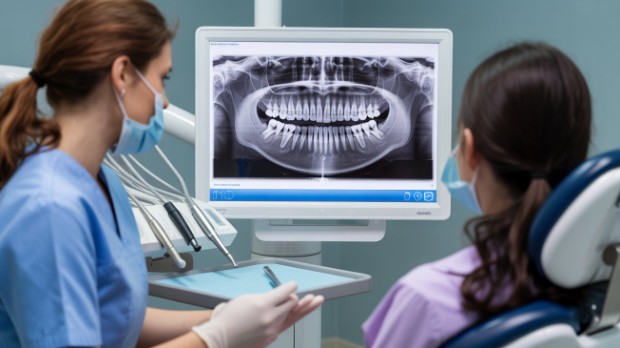
Not every dental trauma means you need to rush out the door, but plenty of accidents create urgent situations that require treatment within just a few hours.
You have to look at things like pain level, bleeding, whether the tooth is out of place, and whether the nerve inside the tooth might be in trouble.
Some types of dental trauma need immediate emergency care to save the tooth and avoid bigger problems. A completely knocked-out tooth is probably the most urgent of all.
Immediate Emergency Situations:
Intense, relentless tooth pain is another big warning sign. That usually means the nerve inside the tooth is in trouble or infected.
If you notice swelling around the injury on your face, don’t ignore it. Swelling can block your airway or allow an infection to spread elsewhere.
Any trauma that makes it tough to swallow, breathe, or even open your mouth? That’s a straight-up emergency. Those symptoms indicate the injury extends beyond the teeth.
Minor chips and cracks often can wait until regular dental hours, but you have to keep an eye out for warning signs that turn a small problem into an urgent one.
Can Usually Wait:
That said, these “not urgent” problems can turn serious fast. If a small chip starts to hurt or sharp edges keep slicing your tongue, don’t wait.
When Waiting Becomes Dangerous:
Even minor trauma really should get checked by a dentist within 48 hours. Sometimes a tooth looks fine on the outside but hides bigger problems inside.
If a chipped tooth suddenly hurts when exposed to cold water, that’s probably nerve damage, and it’s now urgent.
If you wait too long after dental trauma, you can turn a fixable problem into a permanent one. Time is not your friend here.
Blood supply to the tooth drops as the hours tick by after an injury. The nerve relies on that blood to stay alive, and if you don’t act fast, the nerve dies for good.
Every hour you wait, the risk of infection climbs. Dental emergencies from trauma can turn into abscesses that spread beyond your mouth.
Pain usually gets worse as inflammation builds up inside the tooth. Mild discomfort can turn into agony in a matter of hours.
Knocked-out teeth are especially time sensitive. If you wait more than an hour, your odds of saving the tooth plummet. After a full day, it’s rarely salvageable.
Secondary damage is another risk. A cracked tooth can break completely if you wait, and then you might need it pulled instead of just fixed.
| Situation | Emergency Level | Action Needed |
| Knocked-out permanent tooth | Immediate | Go to the ER or an emergency dentist within 30 minutes |
| Severe pain (8-10 on pain scale) | Immediate | Seek care within 2-4 hours |
| Tooth pushed into gum | Immediate | Emergency dental care, same day |
| Uncontrolled bleeding | Immediate | Go to the ER immediately |
| A large piece of the tooth was broken off | Urgent | See a dentist within 24 hours |
| Small chip without pain | Semi-urgent | Schedule within 48 hours |
| Minor crack, no symptoms | Non-urgent | Schedule within 1 week |
Pain Scale Reference: Rate pain from 1-10, where 10 means you can’t function at all. Anything above 6? You probably need urgent care.
Boynton Implant & Cosmetic Dentistry provides urgent, tooth-saving care after accidents—fast triage, same-day options, and clear aftercare. Contact us now to speak with our team or schedule an appointment.
If you’re ready to get started, call us now!
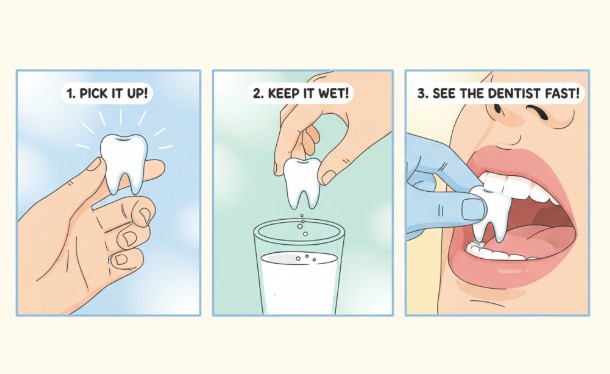
The first hour after a dental injury is make-or-break for saving a tooth and avoiding complications. Honestly, quick action could mean the difference between keeping your own tooth and needing a bunch of expensive work later.
Avulsed Tooth (≤ ~60 Minutes)Suppose a tooth gets knocked out completely; every minute counts. You’ve got the best shot at saving it if you get it back in the socket within 30 minutes.
Pick up the tooth by the crown only. Don’t touch the root—those little root cells are fragile, and you need them alive for reattachment.
If it’s dirty, rinse it gently with milk or saline. Cold milk is best since it matches the tooth’s pH. If you have nothing else, use clean water for only a few seconds.
Try to put the tooth back in place right away. Gently slide it into the socket and have the person bite down softly on gauze or a washcloth.
If it won’t go back in, store it the right way:
Don’t let the tooth dry out. A dried tooth loses its chance of survival in minutes. Never store it in plain water—water can actually kill the root cells.
Get to a dentist or ER within the hour. Call ahead if you can, so they know a knocked-out tooth emergency is coming in.
Broken or chipped teeth need prompt attention to avoid infection and further damage. What you do depends on how bad the break is.
Rinse your mouth with warm water right away. This clears out debris and blood. Be gentle—no need to make things worse or trigger more pain.
Save any pieces you can find. Put broken fragments in milk or saline if possible. Dentists sometimes reattach larger pieces if you keep them moist and clean.
Apply a cold compress to the cheek for 10–15 minutes at a time. That helps with swelling and provides some natural pain relief —no extra meds needed.
Use clean gauze to control bleeding. Press gently on any bleeding spots inside your mouth. Swap out the gauze every few minutes until it slows down.
For pain management, ibuprofen is usually more effective than acetaminophen for dental injuries. It knocks down both pain and swelling.
Cover sharp edges if needed. If the broken tooth has sharp parts that keep cutting your tongue or cheek, stick some dental wax or sugar-free gum over them until you see a dentist.
Don’t chew on that side, and stick to soft foods for now. Crunchy or hard foods can just make things worse for the already weakened tooth structure.
Some actions can actually make dental injuries worse and hurt your chances of a good recovery. People slip up with these all the time, but the consequences can be severe.
Never handle a knocked-out tooth by the root. The root surface has specialized cells that help the tooth reattach to the jawbone, and touching or scrubbing it permanently destroys those cells.
Don’t scrub or use soap on an avulsed tooth. Just rinse it gently with milk or saline—scrubbing wipes away the tiny fibers your mouth needs to heal.
Avoid using tissue or cloth to store teeth. Those materials stick to the tooth and can cause more damage when you pull them off. They also suck out moisture, leaving root cells to dry up.
Never leave a tooth to dry out. Even a few minutes in open air can kill the cells needed for reimplantation. Always keep a knocked-out tooth moist if you have to transport it.
Don’t delay professional treatment. Waiting to see if it “gets better” rarely ends well with dental trauma. Getting to a dentist quickly gives you the best shot at saving the tooth—here’s more on traumatic dental injuries.
Avoid aspirin for pain relief. Aspirin can make bleeding worse and complicate dental treatment. Stick with ibuprofen or acetaminophen, and follow the package directions.
Don’t ignore seemingly minor injuries. Even small chips or cracks can lead to infection or nerve damage later. Get all dental trauma checked by a pro within 24 hours, just to be safe.
Deciding between the ER and an emergency dentist really depends on the symptoms. Emergency rooms treat medical crises, while emergency dentists treat dental and oral injuries.
Some symptoms mean you need the ER—no question. If you’re having trouble breathing or swallowing after dental trauma, get to the hospital fast.
Severe bleeding that won’t stop needs immediate attention, especially if it soaks through several gauze pads. Heavy bleeding can become dangerous in a hurry.
Signs of a serious infection include:
Multiple injuries from accidents mean the ER comes first. If you’ve got head injuries, broken bones, or other trauma along with dental damage, you need a full medical workup.
Jaw fractures usually need hospital care, since they can affect breathing and eating. Watch for severe pain when opening your mouth, misaligned teeth, or numbness in your face.
Most dental emergencies are taken to a dentist who treats oral injuries. They’ve got the right tools and know-how for teeth.
Knocked-out teeth need dental care within 30 minutes for the best shot at saving them. Emergency dentists can offer same-day treatment and correctly reimplant a tooth.
Severe tooth pain (without scary symptoms) usually responds better to dental care. Dentists can do root canals, extractions, or other fixes that the ER just can’t handle.
Broken or cracked teeth need a dentist’s touch. Emergency dentists can bond, crown, or otherwise repair damage to keep things from getting worse.
If you’ve got a dental abscess or infection limited to your mouth, go to a dentist first. They can drain the infection and prescribe antibiotics that actually target oral bacteria.
If you went to the ER first, you probably got X-rays or a CT scan. These images can reveal fractures or hidden damage you’d never spot otherwise.
Bring all imaging results to your dental appointment. Your dentist needs to see what the ER found to plan the next steps.
ER doctors might prescribe pain meds or antibiotics to get you through the night. Be sure to tell your dentist about anything you take so they can avoid drug interactions.
Timing matters for follow-up care. Even after the ER, most dental injuries require specialist care within 24-48 hours to avoid complications.
ER care is often just a stopgap. If they only gave you pain relief for a cracked tooth, you’d still need dental work to prevent infection or more damage.
Your dentist might need to repeat some imaging if the ER films don’t show enough detail. Dental X-rays give a different view than medical ones.
When you show up with dental trauma, the urgent visit follows a pretty clear process. The dentist gathers information, takes images, relieves your pain, and decides whether you need a quick fix or full treatment right away.
The dental team starts by asking about the accident and your current symptoms. They want to know when it happened, what caused it, and how much it hurts.
Key questions include:
The staff reviews your medical history and current medications to select safe pain relief and treatment options.
They’ll also look for any old dental work on the injured teeth, like fillings or root canals, since that can change the treatment plan.
The dentist takes X-rays to spot damage you can’t see from the outside. These images capture cracks, bone fractures, and the depth of chips or breaks.
Digital X-rays show up instantly, so the dentist can see right away which teeth need help.
Common findings include:
Some injuries need 3D imaging for complex fractures. The dentist checks for infection, trauma, or tissue problems during this step.
They’ll also look at tooth color, looseness, and gum damage. If a tooth looks dark or gray, it might have nerve damage inside.
Getting you out of pain comes first once the dentist figures out what’s wrong. They’ll numb the area with local anesthesia.
Pain management options:
If there’s a risk of infection, the dentist may prescribe antibiotics. Swelling and fever are strong red flags for bacterial infection.
They’ll explain which over-the-counter meds work best at home. Ibuprofen usually works better than acetaminophen for dental pain, in my experience.
The dentist decides whether to do temporary stabilization or go for full treatment right then. It all depends on how bad the injury is and how much time there is.
Immediate stabilization might involve:
Some repairs need multiple visits. Complicated root canals, crowns, or implants take planning and time to heal.
The dentist will lay out what needs to be fixed now versus what can wait. Emergency dental care focuses on immediate problems like severe pain, swelling, or injury, but they’ll set up a plan for the rest.
They’ll schedule follow-ups within days or weeks. Acting quickly usually saves more teeth and keeps things from spiraling.
If you’re ready to get started, call us now!
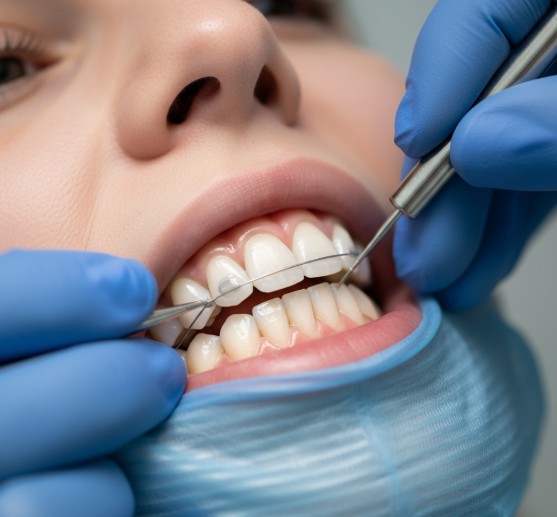
Treatment really depends on how bad the injury is and where it happened. Minor chips can be repaired with simple bonding, while a completely lost tooth requires immediate reimplantation and long-term care.
Small chips and cracks in the enamel are actually the most common dental injuries from accidents. Dentists can usually fix these in just one visit.
For minor chips, the dentist smooths out rough edges so you don’t cut your tongue or cheek. It’s quick and painless.
Dental bonding is great for bigger chips. The dentist uses tooth-colored resin to rebuild the missing part, shaping and polishing it so it blends in.
Bonding takes about 30-60 minutes per tooth. They roughen the surface a bit, then layer on the resin and cure each layer with a special light.
With proper care, bonded repairs can last 3 to 10 years. Just don’t bite down on ice or pen caps. The treatment for dental trauma really depends on how much of the tooth is left intact.
Crown fractures break the visible part of the tooth above the gum line. These injuries often expose deeper layers and cause significant pain.
Dentists check if the tooth’s nerve is damaged. They use X-rays to look for root problems.
Pain when biting or sensitivity to hot and cold can mean nerve trouble. If that’s the case, the dentist acts fast.
Temporary coverage protects the exposed tooth right away. The dentist might place a temporary filling or crown to stabilize the tooth.
This gives everyone time to figure out a long-term fix. It’s a bit of a holding pattern—nobody wants more damage while waiting.
For a single injured tooth, dental crowns usually give the best long-term result. The dentist shapes what’s left and takes impressions.
A lab then makes a custom crown to fit just right. It feels close to a real tooth once it’s in place.
Dental bridges are used if neighboring teeth are damaged as well. The bridge connects several crowns and fills any gaps between them.
This method restores chewing and maintains stability. Not perfect, but it gets you back to eating and smiling.
The whole process takes about 2-3 weeks. Patients wear temporary fixes while waiting for the real thing.
Understanding dental trauma treatment helps people know what to expect while healing.
Luxation injuries leave teeth loose or displaced. The tissues around the root get hurt, but the tooth stays in the mouth.
Dentists classify luxation by the direction of tooth movement. Lateral luxation means it tilts sideways.
Intrusive luxation happens when the tooth pushes into the jawbone. Extrusive luxation means the tooth partially protrudes from the socket.
Immediate repositioning is most effective within 30 minutes of injury. The dentist gently moves the tooth back—local anesthesia helps make this bearable.
Splinting keeps the tooth steady while tissues heal. The dentist bonds a thin wire or composite to the injured tooth to connect it to its neighbors.
This support doesn’t lock the tooth in place, but it provides enough stability. Most splints stay for 2-4 weeks.
Patients stick to soft foods and careful cleaning. Follow-up visits check healing and watch for problems.
Emergency steps for dental trauma remind everyone of the importance of getting help quickly.
Complete tooth avulsion means the entire tooth has been knocked out of its socket. That’s probably the most urgent dental emergency out there.
Time is critical here. Dentists get the best results if they replant the tooth within 30 minutes.
Wait longer than 2 hours, and the odds drop significantly. The dentist inspects the tooth and socket for damage, then gently rinses the root with saline.
Sometimes they use antibiotics to reduce the risk of infection. Reimplantation means carefully replacing the tooth and checking the bite.
Local anesthesia keeps things tolerable. A flexible splint holds the tooth steady for 7-14 days—flexible is key, since a little movement helps healing.
The dentist checks the splint at follow-up visits. Ongoing follow-up can last months or even years.
They watch for root resorption, infection, and nerve death. Sometimes a root canal is needed later, depending on how things go.
Success depends on the patient’s age and the length of time the tooth was out. It’s a gamble.
Deep fractures and hard trauma can damage the tooth’s pulp. That’s the soft tissue with nerves and blood vessels that keeps teeth alive.
Signs of pulp damage include severe pain, sensitivity to temperature, and changes in tooth color. X-rays show cracks in the root or bone changes around the tip.
Root canal therapy aims to save the tooth. The dentist removes the damaged pulp, cleans the inside of the tooth, and fills the root canals.
Most root canals take 2-3 visits. The dentist puts in a temporary filling between appointments.
A permanent crown covers the tooth’s end to keep it strong. If the damage is too much, tooth extraction might be the only option.
Severely fractured roots or significant bone loss usually mean removal. The dentist makes the call after a good look.
Dental implants are the go-to replacement for lost teeth. An oral surgeon places a titanium post in the jaw, and after healing, the dentist adds a crown.
The whole implant process takes 3-6 months. It’s a commitment, but the results feel solid and natural.
Accidents often bring cuts to the lips, cheeks, tongue, and gums along with tooth injuries. These wounds need quick attention to heal well and avoid infection.
Thorough cleaning clears debris and bacteria. The dentist rinses the cuts with sterile saline and checks for any debris stuck inside.
Unsure how serious the injury is? Get quick guidance and protect your tooth’s survival window with Boynton Implant & Cosmetic Dentistry. Schedule an emergency appointment today for prompt evaluation and treatment.
If you’re ready to get started, call us now!
Managing pain after dental trauma involves three main strategies. Dentists use fast-acting numbing agents, anti-inflammatory meds with cold packs, and sometimes light sedation for anxious patients.
Each method tackles pain from a different angle, keeping safety in mind. It’s a bit of trial and error to find what works best for each person.
Lidocaine is the classic choice for numbing dental pain. It usually kicks in within 2-3 minutes when injected near the tooth.
Articaine acts even faster, sometimes in just 1-2 minutes. That’s a lifesaver for severe pain that can’t wait.
Topical anesthetics like benzocaine gel numb the surface in 30-60 seconds. They’re handy for small cuts or before deeper injections.
| Anesthetic Type | Onset Time | Duration | Best Used For |
| Lidocaine | 2-3 minutes | 1-2 hours | Most dental procedures |
| Articaine | 1-2 minutes | 1-3 hours | Severe pain cases |
| Topical benzocaine | 30-60 seconds | 15-20 minutes | Surface preparation |
The dentist picks the right option based on pain level and what needs fixing. Sometimes it’s a mix of a few.
Ibuprofen is usually the top pick for dental injuries. It calms pain and swelling—adults can take 600-800mg every 6-8 hours, but not more than 3200mg a day.
Acetaminophen can be paired with ibuprofen for extra relief. The standard dose is 650mg every 6 hours, but don’t exceed 3000mg daily.
Cold compresses work best with the 20-minute-on, 20-minute-off rule for the first day. That keeps swelling down without hurting the kin.
Managing acute oral pain goes more smoothly with ice packs than with frozen veggies—ice packs hold a steady temperature. Always wrap them in a towel to protect your skin.
Combination therapy—using meds and ice together—usually helps more than either alone. Start both as soon as possible after the injury.
Nitrous oxide (laughing gas) helps nervous patients relax during emergency dental work. It wears off quickly, usually in 3-5 minutes after stopping the gas.
Oral sedation with meds like lorazepam is an option for severe anxiety or longer procedures. These pills need 30-60 minutes to kick in and last a few hours.
Good candidates for light sedation include people with dental phobias, kids who can’t sit still, or adults facing complex injuries.
Important cautions—dentists avoid sedation in patients who:
The dentist watches heart rate, blood pressure, and oxygen during any sedated procedure. Patients need a ride home, as their reflexes may be off for a while.
Recovery after dental trauma follows a timeline with key checkpoints. The first week is all about watching for trouble and helping things heal right.
The first 48 hours after dental trauma treatment are the trickiest. Expect some pain, swelling, and sensitivity—it’s not fun, but it’s normal.
Pain Management:
Dietary Restrictions:
Oral Hygiene: Brush gently around the hurt area. Rinse with warm salt water after eating, but don’t swish or spit hard—you want to keep blood clots in place.
Activity Limitations: Rest is important. Skip strenuous exercise, bending over, or anything that raises blood pressure in your head.
The tooth trauma recovery process usually gets easier here. Swelling and pain often go down, and things start to feel more normal.
Oral Care Progression:
Diet Expansion: Add firmer foods slowly—start with pasta, eggs, and cooked veggies. Still skip nuts, chips, and chewy stuff for now.
Follow-up Appointments: Dentists usually schedule a check-up in this window. They’ll see how things are healing and might remove temporary splints or dressings.
Return to Activities: Light exercise is okay after day three, but hold off on contact sports or risky activities until the dentist gives the green light.
Certain symptoms mean you should call the dental office or seek emergency care right away. Don’t wait for your next appointment if you notice these warning signs.
Infection Signs:
Pain and Sensitivity Issues:
Physical Changes:
Functional Problems:
Protecting your teeth means using the right gear during risky activities and making a few smarter choices every day. Wearing a mouthguard or skipping hard foods can really cut down your risk of traumatic dental injuries.
If you play contact sports or enjoy rough-and-tumble activities, you’re definitely at higher risk for dental trauma.
A custom-fitted mouthguard is the best way to protect your teeth, gums, and jaw in sports like football, basketball, hockey, or martial arts.
Custom vs. Store-bought Mouthguards:
If you grind your teeth at night, you’ll need a nightguard instead. These help prevent damage from bruxism, which weakens teeth and increases the risk of fractures during accidents.
I’d recommend wearing protective gear for anything where you could take a hit to the face—skateboarding, rollerblading, even cycling around the neighborhood. It’s just not worth the risk.
Most dental injuries actually happen at home or work, not just on the field. Paying attention to your daily habits can keep your teeth out of trouble.
High-risk habits to avoid:
At home, clear away tripping hazards like loose rugs and make sure your hallways and stairs have good lighting. You’d be surprised how many falls (and dental injuries) happen in familiar places.
Parents, it’s worth childproofing by securing furniture, covering sharp corners, and keeping tough objects out of play zones. Teaching kids how to play safely on the playground can also make a real difference.
Weak or damaged teeth break more easily, even from small bumps. It’s a good idea to get regular dental checkups so your dentist can catch and treat issues before they turn into bigger problems, especially after accidents.
Signs of vulnerable teeth:
Your dentist might use crowns, bonding, or other restorative treatments to strengthen weak teeth. Professional dental care helps maintain tooth structure and spot trouble early.
Maintaining oral hygiene is essential. Healthy teeth and gums can handle more, and honestly, who wants to deal with dental pain?
Fluoride treatments and a healthy diet both help build strong enamel, so your teeth can take a hit without cracking.
If you’ve got old dental work, it’s smart to talk to your dentist about protection. Sometimes, older fillings or crowns just don’t hold up and might need replacing before they fail at the worst moment.
Injured tooth, swelling, or bleeding? Restore comfort and prevent complications with prompt, expert care—Boynton Implant & Cosmetic Dentistry. Contact us now to schedule your emergency visit and get relief fast.
What qualifies as dental trauma from accidents?
Dental trauma from accidents includes chipped, cracked, loosened, or knocked-out teeth; soft-tissue cuts; and jaw injuries. Severe pain, uncontrolled bleeding, swelling with fever, or tooth displacement require same-day professional care to prevent complications and improve tooth-saving outcomes.
What should I do immediately after a dental injury?
Rinse gently, apply gauze pressure to control bleeding, use a cold compress for 10–15 minutes on/off, and save any fragments. Handle a knocked-out tooth by the crown, reinsert if possible, or store in milk/saline—then seek urgent dental care.
How fast do I need to act for a knocked-out tooth?
Timing is critical: being seen within about 60 minutes offers the best chance of reimplanting and saving the tooth. Keep it moist (milk/saline), avoid touching the root, and do not scrub it clean.
Should I go to the ER or an emergency dentist first?
Go to the ER for trouble breathing, suspected jaw fracture, fever with spreading facial swelling, or bleeding that won’t stop after 10 minutes. For most chips, cracks, avulsions, and pain, an emergency dentist provides faster, definitive treatment.
What treatments fix dental trauma from accidents?
Depending on the injury, smoothing/bonding for chips, crowns for larger fractures, splinting for loosened/replanted teeth, root canal therapy for pulp injury, extractions for non-savable teeth, and long-term replacement with bridges or dental implants.
Will treatment be painful?
Emergency care prioritizes comfort. Dentists use local anesthesia to numb the area, anti-inflammatory measures to reduce swelling, and—when appropriate—short-term prescriptions or light sedation to keep you calm and comfortable during treatment.
How long does recovery take, and what aftercare is needed?
Minor chips feel better in days; splinted or reimplanted teeth require weeks of monitoring. Follow written aftercare: soft foods, cold compresses, gentle hygiene, medication as directed, and scheduled follow-ups. Call promptly if pain worsens, fever develops, or swelling spreads.

About Dr. Berglass
Dr. Michael Berglass, a dedicated dentist with over 25 years of experience, specializes in dental implants, cosmetic, and general dentistry in Boynton Beach, Florida. A proud alumnus of Stony Brook School of Dental Medicine (DDS, 1996), Dr. Berglass further honed his expertise with residencies in general practice and dental implants at North Shore-Long Island Jewish Hospital. His journey in dentistry has taken him from New York to North Carolina, and now to Florida, where he continues to offer top-notch dental care. Known for his wit and intellect, Dr. Berglass makes every patient's visit comfortable. A member of the American Dental Association and Florida Dentists' Association, he stays at the forefront of dental advancements. Dr. Berglass is committed to providing exceptional care and looks forward to welcoming you to his practice.
Reason To Smile

Phone
Address
2415 Quantum Blvd
Boynton Beach, FL 3342
Office Hours
Mon - Thurs: 8:30AM-5PM
Fri: 8:30AM-1PM
Sat - Sun: Closed


