
Originally published: September 2025 | Reviewed by Dr. Michael Berglass
Mini Dental Implants in Boynton Beach | Less Invasive Tooth Replacement

Mini dental implants are smaller-diameter implants (less than 3mm) that offer a less invasive alternative to traditional implants for certain patients.
At Boynton Implant & Cosmetic Dentistry, Dr. Michael Berglass utilizes mini dental implants in Boynton Beach for individuals with insufficient bone density or those seeking a faster, more affordable solution.
Unlike traditional implants that often require bone grafting and lengthy healing times, mini implants can frequently be placed in a single visit with minimal surgery.
That means less discomfort, quicker recovery, and immediate improvements in chewing and appearance.
For patients who thought implants were out of reach due to cost or bone limitations, mini dental implants provide a practical pathway back to stability, confidence, and a natural-looking smile.
Mini dental implants are small yet powerful alternatives to traditional implants, designed for patients who need a less invasive option.
Measuring less than 3 millimetres in diameter, they provide stability without the extensive surgery larger implants sometimes require.
While standard implants average 3.5–6mm in diameter, mini implants are typically less than 3mm in diameter. Their smaller size allows placement in areas where bone is too thin for traditional implants.
Just like full-sized implants, minis are made of biocompatible titanium that integrates safely with the jawbone. Many feature a ball-shaped tip that connects directly to crowns or dentures.
Mini implants still fuse with bone through a process called osseointegration, though they require less bone volume and typically heal faster.
Situations where they’re most effective
Want a quicker, less invasive tooth replacement? Schedule your complimentary consultation with Dr. Michael Berglass today to determine if mini dental implants are the right solution for you.
If you’re ready to get started, call us now!
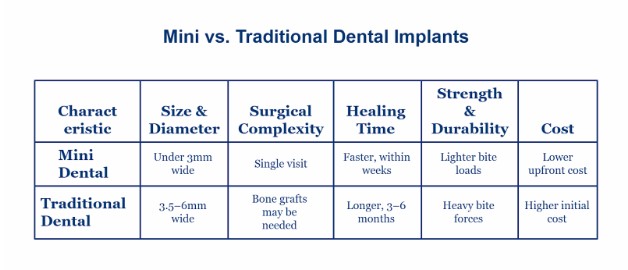
| Factor | Mini Dental Implants | Traditional Dental Implants |
| Size & Diameter | Under 3mm wide; ideal for patients with less bone volume. | 3.5–6mm wide; requires more bone density for placement. |
| Surgical Complexity | Often placed in a single visit; usually, no bone grafting is needed. | May require bone grafts, sinus lifts, or staged surgeries. |
| Healing Time | Faster healing — sometimes within weeks. | Longer healing — typically 3–6 months for osseointegration. |
| Strength & Durability | Best for smaller teeth or stabilizing dentures; lighter bite loads. | Stronger and more durable, ideal for molars and heavy bite forces. |
| Cost | Lower upfront cost; more affordable for budget-conscious patients. | Higher initial cost but greater longevity over decades. |
Mini dental implants aren’t for everyone, but they open doors for patients who might otherwise be told implants aren’t possible.
Because minis require less bone volume, they can be placed in patients whose jaws are too thin for traditional implants.
If surgery length or recovery time is a concern, minis are often placed quickly with less discomfort.
For individuals who may not tolerate extensive bone grafting or longer surgeries, mini implants provide a gentler alternative.
With lower upfront costs, minis are often chosen by patients seeking a more affordable way to stabilize dentures or replace missing teeth.
Older adults often experience bone loss that makes standard implants difficult. Mini implants offer a stable and effective solution without the need for major surgery.
Mini dental implants are versatile and can be used in situations where traditional implants may be too complex or costly. They offer patients practical solutions that restore confidence and function.
One of the most common uses is to secure lower dentures. Minis anchor dentures in place, eliminating slipping, clicking, or the need for messy adhesives.
Their smaller diameter makes them ideal for replacing narrow teeth, such as lower incisors, where space is limited.
When a quick, interim solution is needed, minis can hold a crown or bridge until a permanent restoration is placed.
Mini implants can serve as anchors for smaller dental bridges, restoring aesthetics and bite function without the need for extensive surgery.
In orthodontics, minis are sometimes used as anchorage points to assist with tooth movement, providing stability during treatment.
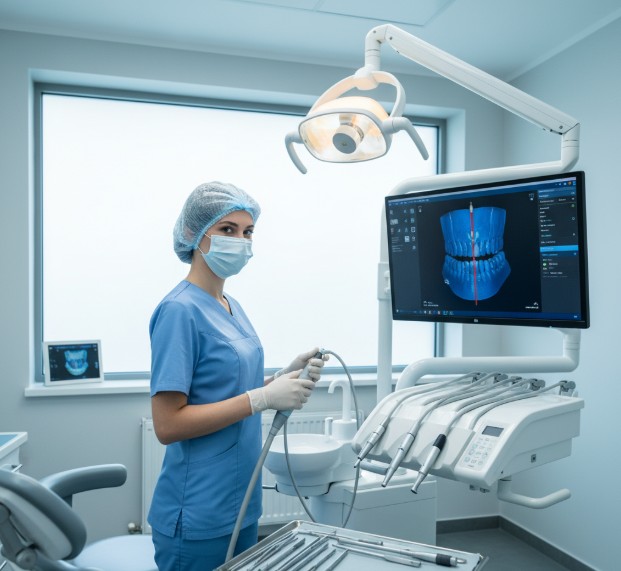
The process for placing mini implants is simpler, quicker, and less invasive than traditional implant surgery. Patients often enjoy immediate improvements with minimal downtime.
Minis are placed using a minimally invasive method, often without incisions or sutures, which reduces discomfort and shortens the procedure length.
Most mini implant placements require only local anesthesia, making them a safe option for patients who cannot undergo complex procedures.
In many cases, crowns, dentures, or bridges can be attached the same day, providing instant function and aesthetics.
Because the implants are smaller and less invasive, healing is typically faster, with many patients returning to normal routines within days.
A few post-op visits are scheduled to monitor healing and adjust restorations if needed, ensuring long-term stability.
Tired of loose dentures or missing teeth holding you back? Call Boynton Implant & Cosmetic Dentistry now and explore affordable mini implant solutions with flexible payment plans.
If you’re ready to get started, call us now!
For the right patient, mini dental implants offer unique benefits that make them a compelling alternative to traditional implants.
Placement involves minimal drilling and smaller incisions, reducing discomfort and surgical risks.
Patients with limited bone can often receive a minis without additional grafting, saving time and cost.
Because they require fewer materials and simpler surgery, minis are typically more affordable.
From placement to restoration, the process is shorter — many patients enjoy new teeth the very same day.
Older patients often benefit from mini implants, as the procedure is less invasive and can be adapted to changes in bone density.
While mini dental implants are an excellent solution for many patients, they do have some limitations compared to traditional implants. Understanding these helps set realistic expectations.
Because of their smaller size, minis are not designed to withstand the same biting forces as traditional implants. They are best suited for stabilizing dentures or replacing smaller teeth.
Mini implants are effective in areas with light chewing pressure but are less effective in molar regions, where bite force is strongest.
While many minis last for years, they may not provide the same decades-long durability as larger implants under heavy use.
They are often used for denture stabilization, small bridges, or incisors, rather than full-mouth reconstructions.
For patients seeking maximum strength and longevity, especially in back teeth, traditional implants remain the preferred choice.
One of the most significant advantages of mini dental implants is their affordability. They often cost significantly less than traditional implants while still offering meaningful improvements in stability and function.
Mini implants typically cost 30–50% less than full-sized implants, making them more affordable for patients on a budget.
Final pricing depends on the number of implants needed, whether they are used for dentures or single teeth, and any additional procedures required.
Most dental insurance plans do not fully cover implants, but may cover related treatments, such as extractions.
At Boynton Implant & Cosmetic Dentistry, patients can choose flexible monthly payment plans that make treatment affordable without large upfront costs.
For patients who qualify, minis deliver exceptional value — lower cost, faster recovery, and stable results that improve everyday life.
Mini implants are especially effective for patients frustrated by loose, unstable dentures. They provide a secure anchor that transforms comfort and confidence.
Once placed, minis lock dentures into position, eliminating slipping, rubbing, and the need for adhesives.
Stabilizing a lower denture typically requires 4–6 mini implants, strategically placed to provide even support.
Mini dental implants have high success rates, but outcomes depend on the patient’s overall health, proper maintenance, and the precise placement of the implants.
Published research shows success rates of 90–95% for mini implants, especially when used for denture stabilization.
Good oral hygiene, maintaining bone density, and avoiding excessive stress on the implants all play a role in the longevity of the implants.
Daily brushing, flossing, and routine dental check-ups help prevent complications and extend implant life.
Over time, minis may loosen or wear, particularly if exposed to heavy bite forces. In some cases, replacement with traditional implants may be recommended.
With decades of experience in implant dentistry, Dr. Michael Berglass carefully selects candidates for mini implants, maximizing their success and longevity through precision planning and advanced techniques.
Patients often describe their implant journey as “life-changing.” Many share that they finally feel like themselves again — smiling freely, eating without restrictions, and enjoying moments with family and friends.
Here’s what some of our patients had to say about their experiences with Dr. Berglass and his team:
These stories highlight more than just restored teeth — they capture the confidence, relief, and gratitude that come from finally finding a permanent solution.
Don’t wait to restore your smile and confidence. Book your appointment with Dr. Berglass in Boynton Beach today and experience the benefits of mini dental implants.
How much do mini dental implants cost?
Mini implants typically cost 30–50% less than traditional implants. Exact pricing depends on the number of implants, the type of restoration, and any additional procedures.
How long do mini dental implants last?
With proper oral hygiene and regular dental care, mini implants can last 7–10 years or longer. Longevity depends on bite force, bone health, and maintenance.
Are mini implants as strong as regular implants?
Mini implants are smaller and best for lighter loads, such as stabilizing dentures or replacing front teeth. Traditional implants are stronger for molars and heavy bite forces.
Can mini dental implants be placed in one day?
Yes. In many cases, mini implants can be placed and used to stabilize dentures or support crowns in a single appointment.
Do mini implants require bone grafting?
Often no. Because they are smaller, minis can be placed in patients with limited bone density who might not qualify for traditional implants.
Does insurance cover mini implants?
Most insurance plans do not fully cover implants, but may cover extractions or related services. Flexible financing options make treatment more accessible.
Who is not a good candidate for mini implants?
Patients with severe bone loss, heavy grinding habits, or those who need molar replacements may be better suited for traditional implants.
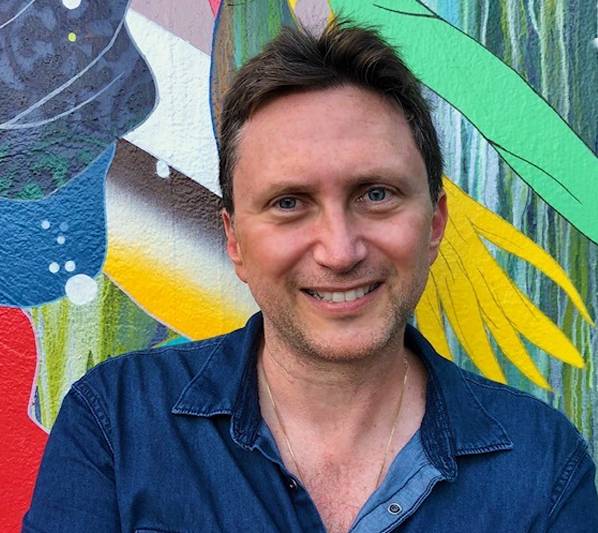
About Dr. Berglass
Dr. Michael Berglass, a dedicated dentist with over 25 years of experience, specializes in dental implants, cosmetic, and general dentistry in Boynton Beach, Florida. A proud alumnus of Stony Brook School of Dental Medicine (DDS, 1996), Dr. Berglass further honed his expertise with residencies in general practice and dental implants at North Shore-Long Island Jewish Hospital. His journey in dentistry has taken him from New York to North Carolina, and now to Florida, where he continues to offer top-notch dental care. Known for his wit and intellect, Dr. Berglass makes every patient's visit comfortable. A member of the American Dental Association and Florida Dentists' Association, he stays at the forefront of dental advancements. Dr. Berglass is committed to providing exceptional care and looks forward to welcoming you to his practice.
Reason To Smile

Phone
Address
2415 Quantum Blvd
Boynton Beach, FL 3342
Office Hours
Mon - Thurs: 8:30AM-5PM
Fri: 8:30AM-1PM
Sat - Sun: Closed


